
The After Embryo Transfer Diet Chart: What To Eat, What To Skip, And Why It Actually Matters
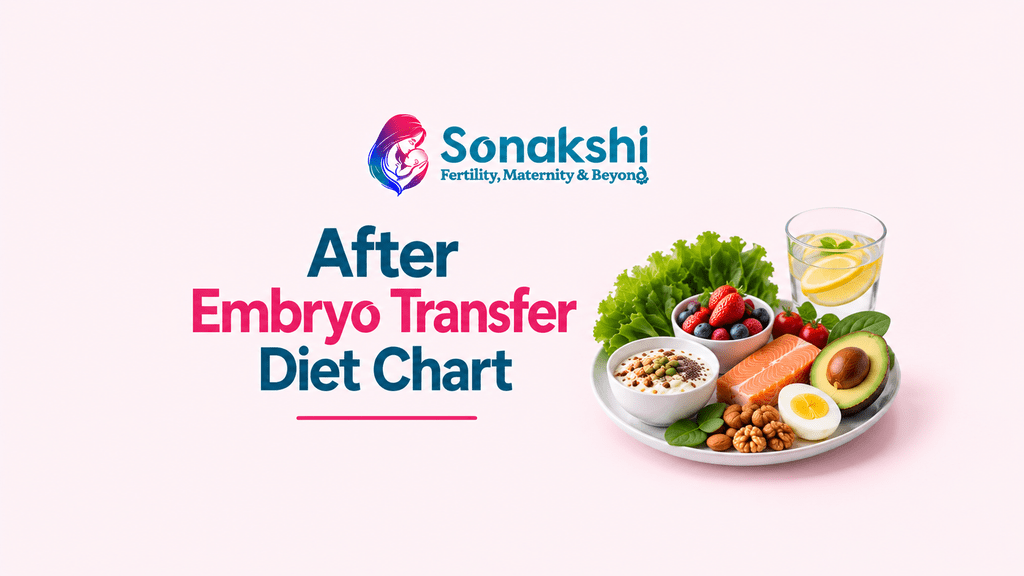
There’s a strange quiet that settles in right after an embryo transfer. You walk out of the clinic, and suddenly every small decision feels loaded, what you eat, how you sit, whether that sneeze meant something. If you’ve landed here searching for an after embryo transfer diet chart, you’re probably in that exact headspace. So let’s talk about it properly, without the jargon and without the panic.
Why Diet Actually Matters After Embryo Transfer
Here’s the honest answer: no single food decides whether implantation happens. Genetics, embryo quality, and uterine receptivity do most of the heavy lifting. But, and this is important, what you eat in the days following transfer affects inflammation, blood flow to the uterus, digestion, and your hormonal environment. All of which quietly support the process. Think of a good embryo transfer diet plan less like a magic formula and more like giving your body the calmest, most stable ground to work on.
This is where a proper after embryo transfer diet chart becomes genuinely useful. Not because it guarantees anything, but because it removes guesswork at a time when your mind is already overloaded with it.
Foods To Eat After Embryo Transfer
Let’s start simple. Warm, home-cooked, easily digestible food wins every time over anything processed or heavy right now.
Protein-rich foods after embryo transfer deserve the top spot. Paneer, moong dal, eggs (if you eat them), soaked almonds, and lean chicken or fish support tissue repair and hormone production. Don’t overthink portions, just make sure protein shows up in most meals.
Fruits to eat after embryo transfer should lean toward the seasonal and the gentle, pomegranate, papaya (ripe, not raw), bananas, apples, and berries. Pomegranate in particular gets mentioned a lot in fertility circles, and while it’s not a miracle fruit, its antioxidant content genuinely helps with blood flow.
Whole grains; brown rice, oats, jowar, bajra; keep digestion smooth, which matters more than people realize, because constipation and bloating post-transfer are common and uncomfortable. Add in healthy fats too: ghee in moderation, walnuts, flaxseeds. They support hormone balance quietly, in the background, without asking for attention.
Hydration deserves its own line. Coconut water, warm water, herbal teas like ginger (in small amounts), all of it keeps your system calm.
Indian Diet After Embryo Transfer: What It Can Look Like
If you’re following an Indian diet after embryo transfer, honestly, you’re at an advantage. Dal-chawal, khichdi, sabzi with roti, curd (in moderation), this is already close to ideal. Indian food after embryo transfer doesn’t need to be reinvented; it needs light adjustments. Less oil, less spice, smaller but more frequent meals. That’s really it.
A sample day might look like this. Morning: soaked almonds and warm water. Breakfast: vegetable daliya or poha. Mid-morning: a banana or papaya. Lunch: dal, roti, sabzi, curd. Evening: coconut water or herbal tea. Dinner: light khichdi with ghee. Nothing extreme. Nothing that feels punishing.
What Not To Eat After Embryo Transfer
Now the part people search for the most, understandably. What not to eat after embryo transfer matters just as much as what you add.
Skip raw papaya and pineapple, both are believed to affect uterine contractions in larger quantities. Avoid unpasteurized dairy, raw eggs, and undercooked meat or fish; infection risk simply isn’t worth it right now. Cut back sharply on caffeine, one small cup is generally considered fine, but more than that isn’t advisable. Alcohol is a clear no. Processed foods, packaged snacks, excess sugar, and very oily or spicy street food should also step aside for a few weeks. They increase inflammation and mess with digestion at a time you really don’t need that.
Post Embryo Transfer Diet: The Bigger Picture
A good post-embryo transfer diet isn’t about restriction; it’s about steadiness. Your body just went through a delicate medical procedure. It doesn’t need dramatic changes; it needs consistency. Eat on time. Sleep on time. Don’t skip meals thinking less food equals more caution; that’s a myth that causes more harm than good.
This is also where the IVF implantation diet connects with lifestyle, not just food. Gentle walks, avoiding heavy lifting, managing stress- all of it works alongside your IVF diet plan after transfer, not separately from it.
If you’re in Haryana and looking for guidance that goes beyond generic advice, clinics like Sonakshi Care, often regarded as the best IVF center in Haryana, combine medical protocols with personalized nutritional counselling, which honestly makes a real difference during this waiting period.
Frequently Asked Questions
1. How long should I follow the after embryo transfer diet chart?
Most doctors suggest following it strictly for at least two weeks post-transfer, until the beta hCG test, and then gradually easing back into a normal, balanced routine based on the result and your doctor’s advice.
2. Can I drink tea or coffee after embryo transfer?
Small amounts, yes, generally under 200mg of caffeine daily, which is roughly one cup. Anything more is best avoided during this sensitive window.
3. Is bed rest necessary along with the diet plan?
No, complete bed rest isn’t medically required and can sometimes increase anxiety. Light movement combined with a good diet is usually recommended instead.
4. Are dairy products safe after embryo transfer?
Pasteurized dairy in moderate amounts is fine and even helpful for calcium and protein. Just avoid raw or unpasteurized versions completely.
5. Can spicy food affect implantation?
Not directly, but excess spice can cause acidity and discomfort, which indirectly affects your comfort and digestion during an already sensitive time.
6. Should I take supplements along with this diet?
Only what your fertility specialist prescribes, usually folic acid, vitamin D, or progesterone support. Don’t add extra supplements on your own without medical advice.


