
Uterine Fibroids and Pregnancy: Can You Conceive Naturally?
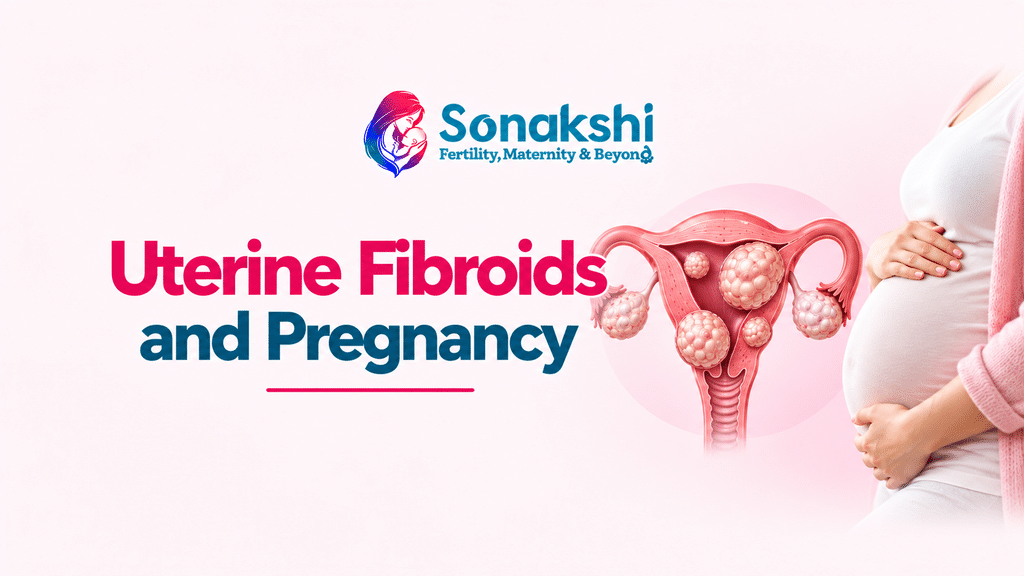
Late at night, many women type uterine fibroids and pregnant on Google after a scan report uses the word “fibroid.” I get it. The fear feels familiar. So here is the answer first. Uterine fibroids can get pregnant more often than people think, and many conceive naturally. It depends on size, number, and place. Place matters most.
This guide on uterine fibroids and pregnancy journeys goes slowly. What fibroids are, how they behave, when they matter, and what doctors do about them.
What Are Fibroids, Really?
A fibroid is a lump of muscle that grows in or on the womb. Not cancer. Medical data says up to eight in ten women have one by age fifty. Some are small as a seed. Some grow big as a melon. Many women never know they have one. Any talk of uterine fibroids and pregnancy health starts with these basics.
Fibroid Symptoms Most Women Miss
Common fibroid symptoms are heavy periods, long periods, pelvic pressure, back pain, needing the toilet often, and pain during sex. But some women have no fibroid symptoms at all. They find out on a scan, by chance. Heavy bleeding can also cause anemia, and that tiredness gets blamed on work or stress. Get it checked. Knowing your fibroid symptoms early gives you more choices. Fibroid symptoms can also copy other problems, so a scan settles it.
Fibroids and Infertility: How Strong Is the Link?
Let me be careful here. Fibroids and infertility are linked, but not in everyone. Fibroids are found in about 5 to 10 percent of women with fertility trouble, and only in a small share are they the sole cause. So fibroids and infertility are a real link, but not a life sentence. A fibroid can block the tube opening, change the womb shape, or press on the lining so an embryo cannot settle. That is how fibroids and infertility sometimes meet.
Submucosal Uterine Fibroids and Pregnancy: The Type That Matters Most
There are three main kinds. Subserosal ones grow outside the womb. Intramural ones grow inside the wall. Submucosal ones grow just under the lining and push into the space where a baby would grow. Submucosal uterine fibroids and pregnancy are the hardest pair. Studies show these fibroids lower the chance of conception and raise miscarriage risk. Large intramural ones, over about 5 cm, can matter too. Small subserosal ones are usually harmless. When doctors talk about submucosal uterine fibroids and pregnancy, removal before trying is often the advice. Simply put, submucosal uterine fibroids and pregnancy plans need a hysteroscopy check, a thin camera look inside the womb.
Can Fibroids Affect Pregnancy After You Conceive?
Now the second worry. You are already expecting. Can fibroids affect pregnancy at this stage? Usually, the calm answer is not much. Most women with fibroids have safe deliveries. Still, the effects of uterine fibroids on pregnancy can show up as miscarriage, early labour, a baby lying feet first, placenta problems, cesarean delivery, or heavy bleeding after birth. The uterine fibroids’ effect on pregnancy is stronger when fibroids are large, many, or near the placenta. They may also grow in the first three months, because estrogen is high, and often shrink after delivery. So when a friend asks Can fibroids affect pregnancy, say this: sometimes, and your doctor can watch for it. Knowing the effect of uterine fibroids on pregnancy lets you plan, not panic. The effect of uterine fibroids on pregnancy is a risk to manage, not a verdict.
Uterine Fibroids in Pregnancy Symptoms to Watch
Uterine fibroids in pregnancy symptoms are often mild. Belly pain, pressure, cramps. Sometimes a sudden sharp pain. That may be red degeneration, when a fibroid outgrows its blood supply. It hurts, but rest and doctor-approved pain relief usually settle it. Call your doctor if uterine fibroids in pregnancy symptoms come with fever, heavy bleeding, or pain that will not ease. Remember, uterine fibroids in pregnancy symptoms look a lot like normal pregnancy aches, so ask when unsure.
Fibroid Treatment and Myomectomy Before You Try
Not every fibroid needs fibroid treatment. Small ones with no trouble are simply watched. When fibroid treatment is needed, options include medicines to control bleeding and surgery. Myomectomy removes fibroids and keeps the womb. It can be done through a hysteroscope, keyhole cuts, or an open cut, depending on where the fibroid sits. After myomectomy, doctors often advise waiting three to six months before trying. If the womb wall was cut deeply during myomectomy, a cesarean may be advised later. Some fibroid treatments, like uterine artery embolization, are usually not preferred when you want a baby. Ask which fibroid treatment fits your plan.
Why a Proper Scan Comes First
At Sonakshi IVF , the advice heard most is simple. Do not guess. Get a proper scan, know the size and place of each fibroid, then decide. Careful mapping saves months of worry, and it tells you whether fibroids and infertility are even part of your story.
When Natural Tries Need a Little Help
If a year passes without luck, or six months when you are over 35, seek help. Options include medicines, ovulation support, IUI, and IVF. Families searching for the best IVF center in Haryana should look for clear scans, honest counselling, and open talk about success rates. Ask how the clinic treats uterine fibroids and pregnant patients. Ask whether myomectomy is needed first.
The bottom line on uterine fibroids and pregnancy questions: many women conceive, some need fibroid treatment first, and early checks help.
Frequently Asked Questions
1. Can I get pregnant naturally with uterine fibroids?
Yes, in many cases. Uterine fibroids can get pregnant without any treatment when the fibroids are small, few, or growing outside the womb cavity. Doctors often say uterine fibroids can get pregnant naturally in mild cases. The uterine fibroids’ effect on pregnancy planning is usually small when the cavity stays clear. The real worry with uterine fibroids and pregnancy planning is location. Submucosal uterine fibroids and pregnancy is where trouble is likeliest, because the growth sits inside the cavity. Large intramural ones may matter too. If you are young and have no other fertility problem, a wait-and-watch plan may be fine. Still, ask for a scan first, because uterine fibroids and pregnant women deserve a clear map, not a guess.
2. Can fibroids affect pregnancy and cause miscarriage?
Sometimes, yes. Can fibroids affect pregnancy through the womb lining, blood flow, or crowding? That is the idea. Uterine fibroids can get pregnant and stay pregnant, as most women show. The effects of uterine fibroids on pregnancy include a higher miscarriage risk, and research on submucosal uterine fibroids and pregnancy shows the highest risk. Still, most women with fibroids deliver healthy babies. The effect of uterine fibroids on pregnancy is smaller for small fibroids far from the placenta. With uterine fibroids and pregnancy care, regular scans and a doctor who knows your history make the biggest difference.
3. What are uterine fibroids in pregnancy symptoms, and when should I worry?
Uterine fibroids in pregnancy symptoms include belly pain, pressure, cramps, constipation, and sudden sharp pain in one spot. The uterine fibroids effect on pregnancy can feel like ordinary aches, so uterine fibroids and pregnant mothers should never feel silly for asking. Fibroid symptoms from before pregnancy, like heavy periods, stop once you conceive, so new pain is what you watch for. Worry when pain comes with fever, bleeding, or vomiting. The effect of uterine fibroids on pregnancy is usually tracked by ultrasound. Ask your doctor before taking any painkiller, since some are avoided in pregnancy.
4. Do fibroids need removal before pregnancy?
Not always. Small fibroids that do not touch the cavity are often left alone. Fibroids inside the cavity, or very large ones, may need myomectomy first. Submucosal uterine fibroids and pregnancy plans often need removal first. Can fibroids affect pregnancy less if removed early? Often yes. The impact of uterine fibroids on pregnancy drops when the cavity is clear, and uterine fibroids can get pregnant even with small untreated growths. Fibroids and infertility together, or repeated miscarriage, make removal more likely. Fibroid treatment is decided by size, location, age, and your plans, so uterine fibroids and pregnant couples should get advice made for them, not general advice.
5. How long after myomectomy can I get pregnant?
Usually three to six months, but your surgeon decides. The womb needs time to heal. After myomectomy, uterine fibroids can get pregnant again in the natural way, though a cesarean may be advised if the wall was cut deeply. Ask what fibroid treatment follow-up is needed, and what the uterine fibroids’ effect on pregnancy may be after surgery. Fibroids can also grow back, so do not wait too long. Can fibroids affect pregnancy again after surgery? Rarely, but scans help. The uterine fibroids affect on pregnancy after surgery is usually small, and uterine fibroids and pregnant again is a common story.
6. Do fibroids always cause infertility, and when is IVF needed?
No. Fibroids and infertility are linked only in some women, and many with fibroids conceive easily. Fibroids and infertility become a real concern when the cavity is distorted, the tubes are blocked, or age is a factor. If IVF fails, IVF may help, sometimes after myomectomy. Uterine fibroids can cause pregnancy in IVF too, and the effect of uterine fibroids on pregnancy is then managed with close scans. Uterine fibroids in pregnancy symptoms are still watched after IVF. The uterine fibroids effect on pregnancy after IVF is watched the same way, and uterine fibroids and pregnant IVF patients get the same careful scans.


