
What Is the Difference Between PCOS and PCOD? Symptoms, Causes and Key Differences
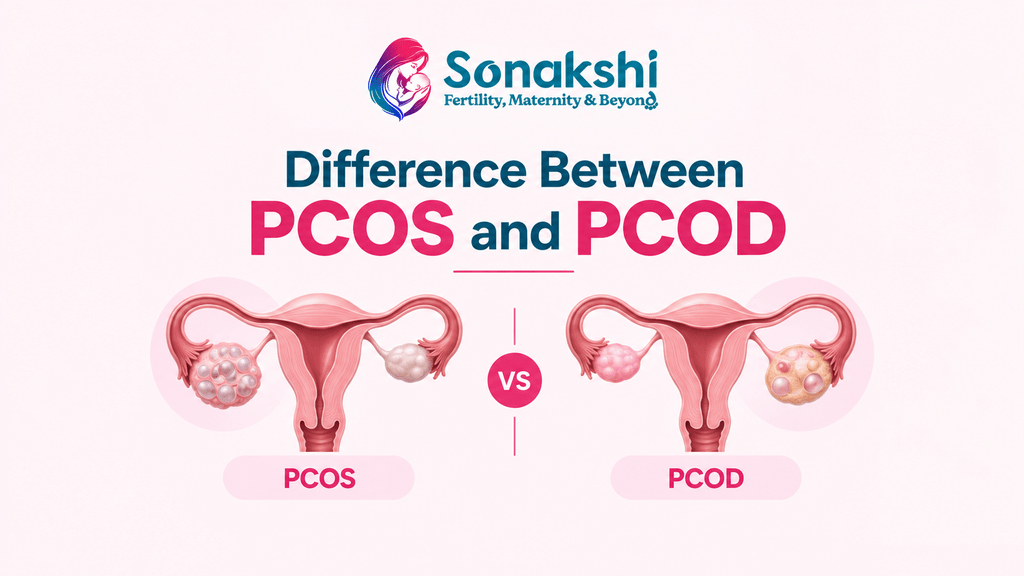
Ask ten women what their doctor said about their ovaries, and you will hear the same two words again and again. PCOS. PCOD. Most people use them like twins. I did too, for a long time. So let’s slow down and understand the difference between PCOS and PCOD in plain words, the way you would explain it to a curious child.
Both words are about the ovaries and the hormones that run your monthly cycle. But they are not identical, and knowing the difference between PCOS and PCOD can change how you look after your body.
Is PCOS and PCOD the Same? The Honest Answer
Not exactly. Is PCOS and PCOD the same is one of the most typed questions by Indian women, and the confusion is fair, because even some clinics use both words loosely. Many doctors use PCOD for a milder version, where the ovaries release many eggs that are not fully mature, and PCOS for a bigger, whole body condition. Doctors in many other countries use only PCOS. So, is PCOS and PCOD the same? Close cousins. Not twins.
Difference Between PCOS and PCOD Full Form, Word by Word
The difference between PCOS and PCOD full form starts with the words themselves. PCOS stands for polycystic ovary syndrome. PCOD stands for polycystic ovarian disease. A third word, PCO, means polycystic ovaries, and it often appears on ultrasound reports. So the difference between PCO PCOS and PCOD is really about what is being described. PCO is only what the scan sees. PCOD is when the ovaries work a little off track. PCOS is the full package, where hormones, sugar levels and ovulation are all involved. On paper, the difference between PCOS and PCOD full form looks tiny. In real life, it is not.
One small correction, because it matters. The word “cyst” scares people. These are not harmful lumps. They are tiny fluid sacs, each holding an egg that did not fully mature. That is also why seeing PCO on a report does not always mean disease. Once you know the difference between PCO PCOS and PCOD, that report stops looking like a foreign language.
Key Differences: How PCOS and PCOD Really Compare
Once you know the difference between PCOS and PCOD full form, the real differences are easier to see. Here is the core difference between PCOS and PCOD, as doctors who use both terms usually explain it.
- Seriousness: PCOD is usually milder and often linked to lifestyle. PCOS is a long term hormonal and metabolic condition that needs steady care.
- Ovulation: with PCOD, ovaries often still release eggs, just irregularly. With PCOS, ovulation can become rare or stop.
- Hormones: PCOD brings a mild hormonal imbalance. PCOS brings higher male hormones and often insulin resistance.
- Health risks: PCOS can raise the chance of type 2 diabetes, high cholesterol and heart problems later in life.
- Pregnancy: the fertility impact of PCOD is usually gentler. With PCOS it is often stronger.
Symptoms: What Women Actually Notice
The first sign is usually irregular periods. Cycles come late, come twice in a month, or vanish for months. Then the rest arrives quietly. Acne that will not settle. Extra hair on the face or belly. Hair thinning on the head. Weight gain around the waist. Dark patches on the neck. Tiredness and mood swings.
Symptoms overlap in both conditions, and in PCOS they tend to be stronger. Irregular periods alone prove nothing. Is PCOS and PCOD the same when it comes to symptoms? Mostly overlapping, yes. That is why the difference between PCOS and PCOD cannot be judged at home. A doctor has to look.
Causes: The Hormonal Imbalance Behind the Story
Nobody knows the one exact cause of polycystic ovary syndrome. But the main players are known. A hormonal imbalance sits in the middle, with too much insulin and too many male hormones pushing the ovaries off rhythm. Genes matter, so if your mother or sister has it, your chance is higher. Little exercise, junk food, poor sleep and constant stress can make it worse. Not cause it alone. Worsen it.
Fertility Impact: Can You Still Become a Mother?
This is the question under every other question, and the answer is hopeful. The fertility impact of PCOD is usually mild, and many women conceive naturally after lifestyle changes. With polycystic ovary syndrome, ovulation may be rare, so pregnancy can take longer and sometimes needs help, like ovulation medicines, IUI or IVF. Both conditions bring irregular periods, and fewer ovulating cycles means fewer chances each year. The difference between PCOS and PCOD matters most right here.
Diagnosis and Treatment: What Happens Next
Doctors look for three signs: irregular ovulation, signs of high male hormones, and polycystic ovaries on ultrasound. Two out of three usually points to polycystic ovary syndrome, after other causes are ruled out. So is PCOS and PCOD the same for testing? Pretty much, the tests are alike. Ask your doctor to explain the difference between PCO PCOS and PCOD on your own reports.
Treatment depends on your goal. Daily walking, less sugar, better sleep and even five to ten percent weight loss can restart cycles for some women. Medicines can calm the hormonal imbalance and control periods, acne and insulin. Knowing the difference between PCOS and PCOD helps your doctor choose the plan. Never start tablets on your own. This guide is for learning, not a diagnosis.
Families looking for care can find PCOS and PCOD treatment now in Sonakshi Hospital, where doctors can guide you through tests, lifestyle changes and fertility planning. If you are searching for the best IVF center in Haryana, Sonakshi Hospital is one name worth a consultation when the fertility impact is bigger and medicines alone are not enough. Doctors there can also explain the difference between PCO PCOS and PCOD in simple words.
Frequently Asked Questions
1. What is the difference between PCOS and PCOD full form?
PCOS stands for polycystic ovary syndrome, and PCOD stands for polycystic ovarian disease. The difference between PCOS and PCOD full form looks tiny, but the meaning is not. PCOD usually points to ovaries holding many immature eggs, while PCOS is a wider syndrome touching hormones, sugar levels and ovulation.
2. Is PCOS and PCOD the same when it comes to treatment?
Only partly. Diet, walking, sleep and stress control help both. Yet PCOS often needs blood sugar checks and medicines because of a deeper hormonal imbalance. Is PCOS and PCOD the same for every woman? No. Your doctor decides after tests, so please avoid copying a friend’s plan.
3. What is the difference between PCO PCOS and PCOD on an ultrasound report?
PCO only means the ovaries look polycystic on the scan. It is not a disease by itself. The difference between PCO PCOS and PCOD is that the last two also bring symptoms, hormone changes and irregular ovulation. Beyond the difference between PCOS and PCOD full form, only tests can confirm what is really happening.
4. Does the difference between PCOS and PCOD change the fertility impact?
Yes, often. The fertility impact of PCOD is usually smaller, and many women conceive after lifestyle changes. With PCOS, the fertility impact can be larger because eggs release rarely. Since irregular periods mean fewer chances each month, early advice helps. Ovulation medicines, IUI and IVF give many women a real chance.
5. Can irregular periods show the difference between PCOS and PCOD?
Not by themselves. Irregular periods appear in both, and a hormonal imbalance may or may not be behind them. Telling the difference between PCOS and PCOD needs blood tests and a scan. See a doctor if your cycle is shorter than 21 days, longer than 35, or you miss three periods in a row.
6. Can polycystic ovary syndrome be cured completely?
No permanent cure exists yet, but polycystic ovary syndrome can be managed very well. Weight care, movement, medicines and follow-ups can settle a hormonal imbalance, and irregular periods often improve. Regular check-ups protect the heart, sugar levels and mood. Knowing the difference between PCO PCOS and PCOD helps you ask better questions.


