
Newborn Baby Care: Essential Tips for New Parents
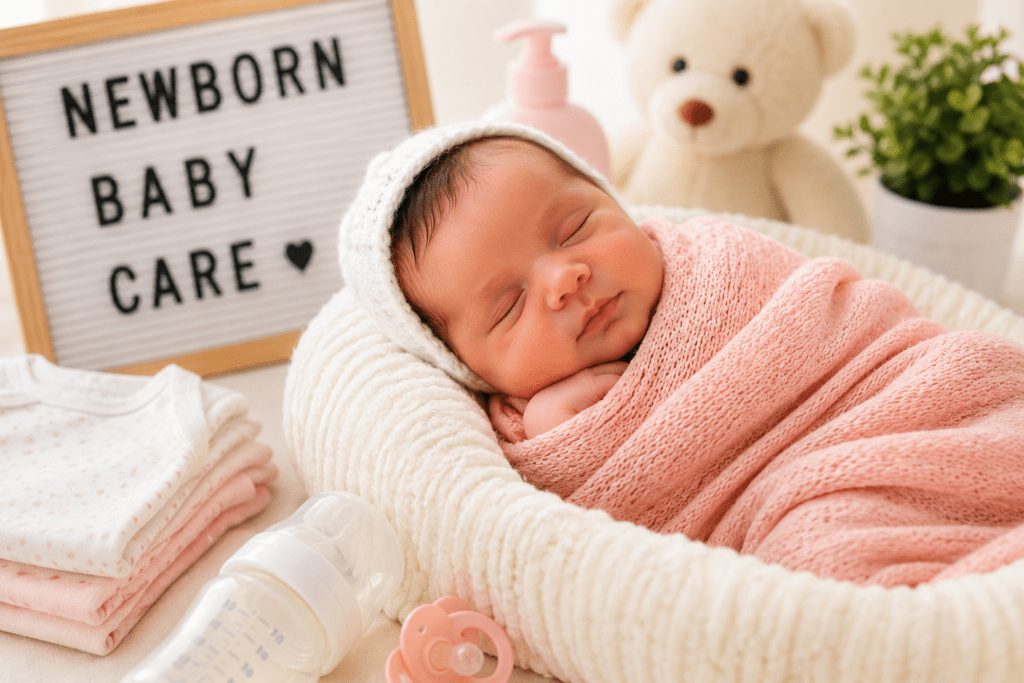
Bringing a newborn home is an exciting experience, but the first few weeks can also bring many questions for new parents. How often should a newborn feed? How much should a baby sleep? How should you care for the umbilical cord? When should a baby be taken to a pediatrician? And when does a newborn need specialized neonatal care?
Newborn baby care includes feeding, safe sleep, hygiene, warmth, vaccination, growth monitoring and recognizing early signs of illness. These basic practices help parents support their baby’s health while knowing when professional medical care may be needed.
For parents looking for reliable pediatric support, Sonakshi Children Hospital provides specialized pediatric and neonatal care to help families access appropriate medical guidance for newborns and children.
Premature babies, low-birth-weight babies and newborns with medical concerns may require additional neonatal care and closer monitoring.
What Does Newborn Baby Care Include?
Newborn care generally involves:
- Appropriate feeding and monitoring feeding patterns
- Maintaining the baby’s body temperature
- Safe sleeping practices
- Umbilical cord care
- Skin and diaper hygiene
- Safe newborn bathing
- Vaccination and preventive care
- Monitoring weight and growth
- Watching for jaundice and other warning signs
- Regular pediatric checkups
- Recognizing newborn danger signs
Every baby is different. A pediatrician can recommend care based on the baby’s age, birth history, feeding, growth and overall health.
1. Focus on Newborn Feeding
Feeding is one of the most important parts of newborn baby care. Breastfeeding is recommended for most healthy newborns, and parents can learn to recognize early hunger cues such as mouth movements, hand-to-mouth activity and turning toward the breast.
Parents should pay attention to whether the baby is feeding effectively and regularly.
Consult a pediatrician if your newborn:
- Repeatedly refuses feeds
- Has difficulty sucking or swallowing
- Is unusually sleepy during feeds
- Is feeding much less than usual
- Appears weak or unusually inactive
Babies with feeding difficulties may need an individualized assessment and feeding plan.
2. Keep Your Newborn Warm
Newborns can lose body heat more easily than older children. Appropriate thermal care is therefore an important part of newborn health care.
Skin-to-skin contact can help maintain warmth and support bonding when medically appropriate.
Avoid excessive wrapping or overheating. If a newborn feels unusually cold or appears unwell, seek medical advice rather than relying only on home measures.
3. Follow Safe Sleep Practices
Newborn babies sleep for many hours throughout the day, but creating a safe sleeping environment is essential.
Parents should:
- Place the baby on their back for sleep.
- Use a firm, flat sleep surface.
- Keep pillows, loose blankets and soft toys away from the baby’s sleeping area.
- Avoid placing a newborn on a sofa or other unsafe surface.
- Keep the baby’s sleep space close to the parents while using a separate sleep surface.
If you have concerns about your newborn baby’s sleep, discuss them during a pediatric consultation.
4. Take Care of the Umbilical Cord
The umbilical cord stump normally dries and separates naturally. Parents should keep it clean and dry and wash their hands before touching the area.
Avoid applying oils, powders, antiseptics or other products unless recommended by a healthcare professional.
Seek medical advice if you notice:
- Increasing redness
- Swelling
- Pus or unusual discharge
- Persistent unpleasant smell
- Bleeding that does not stop
- Fever or other signs of illness
Proper newborn umbilical cord care helps reduce the risk of infection.
5. Newborn Bathing and Skin Care
Newborns do not require frequent bathing. Parents should follow their pediatrician’s recommendations, especially if the baby was premature or has a medical condition.
During bathing:
- Use lukewarm water.
- Keep the room comfortably warm.
- Support the baby’s head and neck.
- Keep bathing supplies within reach.
- Never leave a baby alone around water.
- Dry the baby gently after bathing.
For daily hygiene, gentle cleaning and regular diaper changes can help keep the baby’s skin comfortable.
6. Maintain Good Hygiene
Newborns are vulnerable to infections, so simple hygiene practices are important.
Parents and caregivers should:
- Wash hands before handling the baby.
- Keep feeding equipment clean.
- Keep clothes and bedding clean.
- Avoid close contact with people who are sick.
- Follow the healthcare team’s advice regarding visitors.
Good hygiene is an important part of newborn care after birth and overall child health.
7. Monitor Newborn Weight and Growth
Parents often wonder whether their newborn is gaining enough weight. Regular pediatric checkups help monitor newborn baby weight gain and overall development.
A pediatrician may assess:
- Weight
- Length
- Head circumference
- Feeding
- Physical development
- Developmental progress
Growth should be assessed according to the baby’s age and individual health rather than by comparing one baby with another.
Premature and low-birth-weight babies may need more frequent growth monitoring.
8. Keep Vaccination and Preventive Care on Schedule
Vaccination is an important part of protecting babies and children against vaccine-preventable diseases.
Parents should maintain the baby’s immunization record and follow the vaccination schedule recommended by their pediatrician and applicable national guidelines.
Routine pediatric visits also provide an opportunity to discuss:
- Feeding
- Growth and development
- Sleep
- Immunization
- Newborn screening
- Any changes in the baby’s health
9. Understand Newborn Jaundice
Yellowing of the skin or eyes can occur in newborns, but parents should not assume that every case is harmless.
A pediatrician may assess the baby’s age, feeding, appearance and other clinical factors to determine whether further evaluation is needed.
Seek medical advice promptly if:
- Jaundice appears very early after birth.
- Yellowing becomes more noticeable.
- The baby is feeding poorly.
- The baby is difficult to wake.
- Yellowing extends to the palms or soles.
Newborn jaundice may sometimes require monitoring or treatment, so professional assessment is important when warning signs are present.
10. Recognize Newborn Warning Signs
Knowing the newborn danger signs is one of the most important parts of newborn baby care.
Seek prompt medical attention if a newborn:
- Is not feeding well
- Repeatedly refuses feeds
- Is unusually sleepy or difficult to wake
- Has difficulty breathing
- Is breathing unusually fast
- Has a fever or feels unusually cold
- Has seizures or abnormal movements
- Develops significant jaundice
- Becomes unusually inactive
- Appears seriously unwell
Newborns can become ill quickly, so significant changes should not be ignored.
When Does a Newborn Need Specialized Neonatal Care?
Most healthy newborns can receive routine newborn care with regular pediatric follow-up. However, some babies need specialized medical monitoring.
This may include:
- Premature babies
- Low-birth-weight babies
- High-risk newborns
- Babies with breathing difficulties
- Babies with feeding problems
- Babies with suspected infections
- Babies requiring continuous monitoring
A Neonatal Intensive Care Unit (NICU) provides specialized care for newborns who require closer observation or advanced medical support.
Sonakshi Care’s neonatal services include care for premature, critical and high-risk newborns. Its website describes NICU facilities including neonatal ventilators, incubators, advanced monitoring and dedicated nursing support.
What Is the Difference Between NICU and PICU?
A NICU (Neonatal Intensive Care Unit) is specifically designed for newborn babies who require specialized neonatal care.
A PICU (Pediatric Intensive Care Unit) provides intensive care for critically ill infants, children and adolescents who require close monitoring and advanced pediatric treatment.
The appropriate unit depends on the child’s age, condition and medical requirements.
Pediatric Care Beyond Newborn Health
Newborn care is the beginning of a child’s healthcare journey. As children grow, some may require additional specialized pediatric services depending on their health and developmental needs.
Sonakshi Children Hospital provides pediatric care that can address different health and developmental concerns based on individual assessment.
Child Physiotherapy
Some children may benefit from Child Physiotherapy when they have concerns related to movement, strength, coordination or physical development.
Child Rehabilitation
Child Rehabilitation may be recommended for children who require structured support for developmental, physical or functional difficulties.
Paediatric Cardiology
Some newborns and children may require evaluation by a Paediatric Cardiology specialist when there are concerns related to the heart or circulation.
These services should be recommended based on the child’s individual medical assessment rather than used routinely for every newborn.
Doctor's Perspective on Newborn Care
At Sonakshi Care, Dr. Harsh Bhayana is listed as a Senior Pediatrician with expertise in PICU, NICU, newborn and pediatric critical care. His qualifications include MBBS and MD Pediatrics.
For parents, an important principle is that newborn health should not be judged only by whether a baby is sleeping or crying normally. Feeding, activity, breathing, temperature, jaundice and general behaviour can also provide important clues about a baby’s health.
If a newborn shows a significant change from their usual pattern, timely pediatric assessment can help determine whether observation, testing or specialized treatment is needed.
Newborn Baby Care Checklist
Care Area | What Parents Should Monitor |
Feeding | Feeding pattern and feeding difficulties |
Sleep | Safe sleep position and environment |
Hygiene | Hand, skin and diaper hygiene |
Umbilical Cord | Clean and dry cord |
Growth | Weight and development |
Vaccination | Recommended immunizations |
Jaundice | Changes in skin or eye colour |
Activity | Alertness and normal behaviour |
Breathing | Any unusual breathing difficulty |
Medical Care | Newborn warning signs |
15 Frequently Asked Questions About Newborn Baby Care
1. How do I take care of a newborn baby at home?
Focus on appropriate feeding, warmth, safe sleep, hygiene, umbilical cord care, vaccination, growth monitoring and recognizing warning signs. Follow your pediatrician’s advice for your baby’s individual needs.
2. How often should a newborn baby feed?
Newborns generally need frequent feeds, but feeding patterns can vary. Parents should respond to the baby’s hunger cues and seek medical advice if the baby repeatedly refuses feeds or feeds significantly less than usual.
3. How should a newborn baby sleep?
Place the newborn on their back on a firm, flat sleep surface. Keep pillows, loose blankets, toys and other soft objects away from the baby’s sleeping area.
4. How do I care for a newborn's umbilical cord?
Keep the cord clean and dry, wash your hands before touching it and avoid applying products unless specifically recommended by a healthcare professional.
5. When can I bathe my newborn baby?
Parents should follow their healthcare professional’s advice regarding the baby’s first bath and bathing routine. Bathing should always be supervised, with the baby’s head and neck properly supported.
6. What are the signs of a healthy newborn?
Regular feeding, appropriate activity, normal breathing, adequate urination and expected growth are some indicators of newborn health. A pediatrician should assess the baby during routine checkups.
7. What are the warning signs in a newborn?
Poor feeding, breathing difficulty, unusual sleepiness, fever, feeling unusually cold, seizures, significant jaundice or a sudden change in activity can be warning signs requiring medical attention.
8. When should I take my newborn to a pediatrician?
Seek medical advice if your baby is feeding poorly, is difficult to wake, has breathing difficulty, develops fever, feels unusually cold, has seizures or develops concerning jaundice.
9. What is newborn jaundice?
Newborn jaundice causes yellowing of the skin or eyes because of increased bilirubin levels. Some cases are mild, while others require medical monitoring or treatment. A pediatrician can determine whether evaluation is needed.
10. How can I help my newborn sleep safely?
Always place the baby on their back to sleep on a firm, flat surface. Keep the sleeping area free from pillows, loose bedding and soft objects.
11. How do I know if my newborn is gaining enough weight?
Regular pediatric checkups help assess weight gain and growth. Feeding patterns, weight measurements and the baby’s overall health are considered together rather than relying on appearance alone.
12. Does every newborn need NICU care?
No. Most healthy newborns do not require NICU care. NICU admission may be needed for premature, critically ill or high-risk newborns who require specialized monitoring or treatment.
13. What is the difference between NICU and PICU?
NICU care is specifically designed for newborns who require specialized neonatal support. PICU care is intended for critically ill infants, children and adolescents who require pediatric intensive care.
14. When might a child need Child Physiotherapy or Child Rehabilitation?
These services may be considered when a child has specific movement, physical, developmental or functional concerns. The need should be determined after an appropriate clinical assessment.
15. When should a newborn be evaluated by a Paediatric Cardiology specialist?
A pediatrician may recommend Paediatric Cardiology evaluation when a newborn or child has signs or findings that suggest a possible heart-related concern. Specialized assessment helps determine whether further testing or treatment is needed.
Conclusion
The first few weeks of life are an important period for establishing healthy routines and identifying potential health concerns early. Good newborn baby care includes appropriate feeding, safe sleep, hygiene, umbilical cord care, vaccination, growth monitoring and awareness of newborn danger signs.
Parents should remember that every newborn is different. Premature babies, low-birth-weight babies and high-risk newborns may require additional neonatal care, NICU support or specialized pediatric care.
When a newborn shows a significant change in feeding, breathing, activity, temperature or appearance, timely medical evaluation is safer than relying on home remedies or online information alone.
For ongoing pediatric guidance and specialized child healthcare, parents can consider Sonakshi Children Hospital in Hisar and Hansi as part of their child’s healthcare journey. The hospital provides access to pediatric care and support for newborns and children, helping parents seek appropriate medical guidance when needed.
Medical Disclaimer
This article is intended for general educational purposes and does not replace examination, diagnosis or individualized treatment from a qualified pediatrician. Newborns with prematurity, medical conditions or other risk factors may require personalized care based on their clinical needs.


