
Stress and Ovulation: Can Stress Really Cause Irregular Periods?
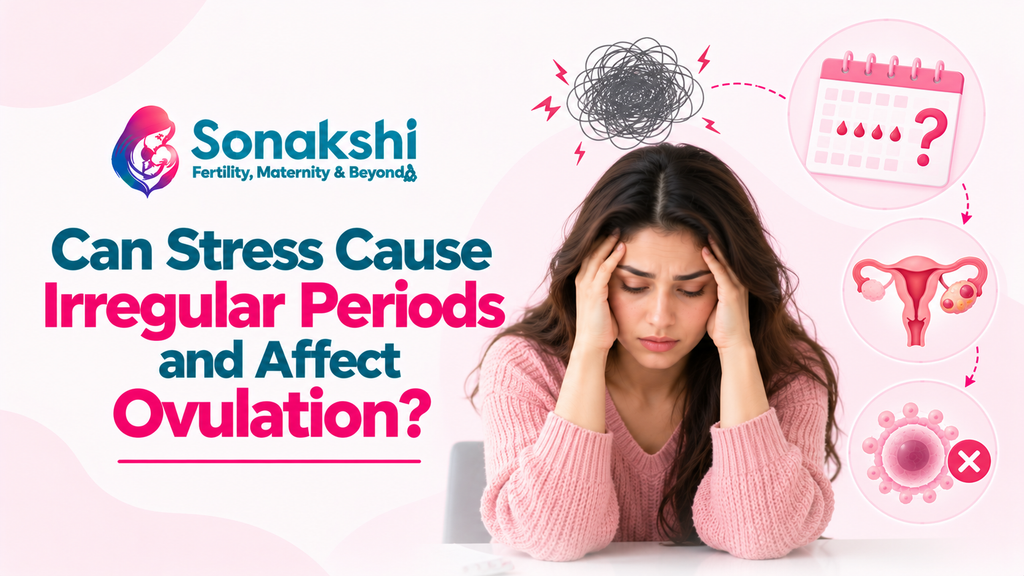
Your period is late. The pregnancy test says no. Then you think back over the last few weeks: work deadlines, a family argument, barely any sleep. So here is the question many women quietly search at night. Can stress cause irregular periods? Yes, it can, and the link between stress and ovulation is something doctors see all the time.
How Stress and Ovulation Are Connected
Ovulation is the moment an ovary releases an egg. The brain controls it by sending hormone signals, like a quiet message passed down a line. Now add stress hormones such as cortisol and adrenaline. When the body feels threatened, it prioritizes survival. Making a baby can wait, or so the body decides. That is the heart of stress and ovulation: the brain slows the signal that triggers the egg release.
No, wait, that needs one more line. The threat does not have to be big. A fight, a heavy workload, grief, or constant worry can keep stress hormones high for weeks.
Why Stress Can Lead to Irregular Periods
A normal cycle runs about 21 to 35 days. When ovulation comes late, the whole cycle stretches. Sometimes ovulation does not happen at all that month, which doctors call an anovulatory cycle. The period may then arrive late, be very light or heavy, or not happen at all. This is how stress and ovulation trouble shows up as irregular periods in real life.
One late period after a stressful month is usually nothing to fear. The pattern matters more. If it lasts three months or longer, it deserves a proper check.
Can Stress and Ovulation Problems Affect Fertility?
For many women, a short stressful phase only delays things. The egg is released a little later, and the cycle recovers. Long-term stress is different. When stress hormones stay high for months, ovulation becomes unpredictable, and timing intercourse gets harder. Research on stress and ovulation also suggests high stress may lower the chance of conceiving in a given month, though stress alone is rarely the only reason.
Here is the honest part. Stress is not the villain in every story. Thyroid problems, PCOS, low body weight, too much exercise, and age also change ovulation. So if your cycles stay off track, do not blame yourself, and do not guess. Find out.
Signs Stress May Be Disturbing Your Cycle
Watch for periods that come early or late, a skipped period, spotting between periods, very light or very painful bleeding, and trouble sleeping along with mood swings. Tracking your cycle on a simple calendar for three months gives your doctor real information. A morning temperature chart or ovulation kits can show whether stress and ovulation are clashing that month.
What Helps: Calming Stress Hormones the Natural Way
Small things count. Sleep seven to eight hours. Walk for thirty minutes daily. Eat regular meals with enough protein and iron. Cut back on too much caffeine. Try slow breathing for five minutes, or talk to someone you trust. These steps lower stress hormones gradually, and over time they help restore the rhythm between stress and ovulation.
Extreme dieting and over-exercising deserve a special warning. They act as stress on the body too, and they often make irregular periods worse.
When to See a Doctor and When Fertility Treatments Come In
See a doctor if you miss three periods in a row, bleed heavily, feel severe pain, or have tried to conceive for a year (six months if you are over 35). Tests may include blood hormone checks, a thyroid test, and an ultrasound. Many women only need lifestyle changes and counselling. Others need medical help, and modern fertility treatments such as ovulation medicines, IUI, or IVF can work well once the real cause is found.
Choosing the right clinic matters. Sonakshi Care focuses on helping couples understand their cycle, ovulation, and treatment options before any big decision is made. Questions are welcome, and nothing is rushed.
If you search for the best IVF center in Haryana or the best IVF center near me, look beyond advertisements. Check the doctors’ qualifications, ask for honest success rates, confirm clear costs, and make sure the clinic finds the cause first instead of pushing fertility treatments. A good team treats stress and ovulation concerns as part of the full picture.
Your body is not broken because it paused. It was listening to your life. Slow down a little, track your cycle, and ask for help early. If irregular periods keep returning, get checked. The story of stress and ovulation is usually fixable.
Frequently Asked Questions
1. Can stress and ovulation problems cause a missed period?
Yes. When stress hormones stay high, the brain may delay or skip ovulation, and without ovulation, the period usually comes late or not at all. One missed period after a hard month is common. If it happens for three months in a row, see a doctor.
2. How long does stress take to cause irregular periods?
It can happen within a single cycle or build over a few months. Short stress often delays just one period, while long stress can keep the cycle off track until the body feels safe again.
3. Does a stress and ovulation delay mean I cannot get pregnant?
No. Delayed ovulation is not the end of the road. Once stress hormones settle, cycles often return to normal, and many women conceive naturally. If pregnancy does not happen within a year, fertility treatments may be discussed.
4. How can I tell if I ovulated during a stressful month?
Look for clear, stretchy cervical mucus, a mild one-sided pelvic ache, a small rise in morning body temperature, or a positive ovulation kit. A blood progesterone test about a week before your period gives the clearest answer. Stress and ovulation timing can shift, so the usual day 14 guess may be wrong.
5. Do fertility treatments work if stress is the main reason?
Fertility treatments do not remove stress itself, but they help when ovulation stays irregular. Doctors may suggest ovulation medicines, IUI, or IVF depending on your tests. Managing stress alongside treatment usually gives better comfort and results.
6. When should I see a specialist for irregular periods?
Go if your cycles stay unpredictable for three months, your periods stop, you are over 35 and trying for six months, or you have severe pain. A specialist checks thyroid, prolactin, and PCOS, studies your stress and ovulation pattern, and guides you on fertility treatments if needed.


