
Signs of Ovulation: How to Spot Them and Track Your Fertile Days
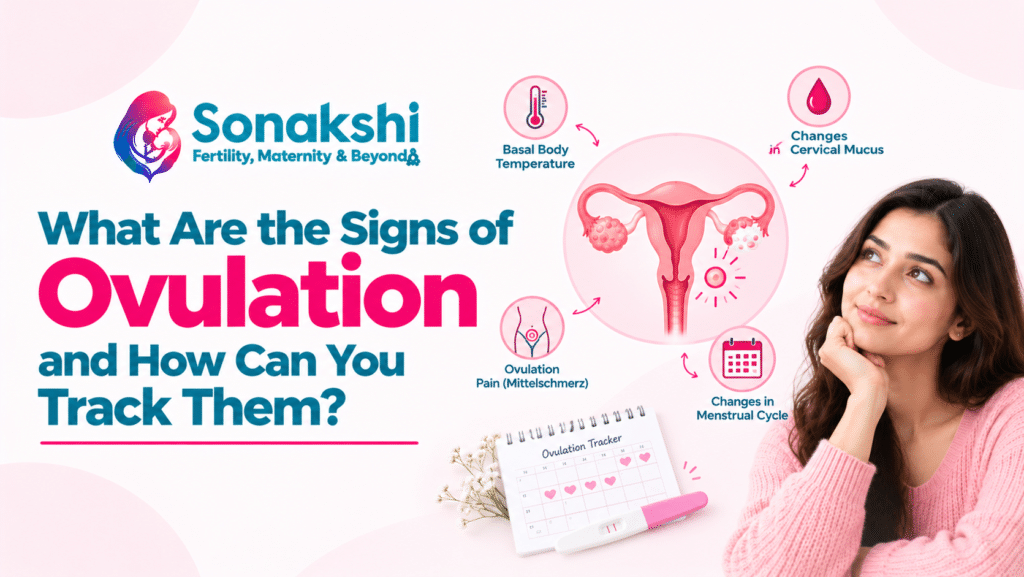
Most of us were never taught this properly. Ovulation signs are quiet and easy to miss, yet they determine the few days each month when pregnancy is possible.
So what is ovulation? One of your ovaries releases one egg. That’s all. The egg survives only 12 to 24 hours, which is a very short window. Sperm, on the other hand, can live up to five days inside the body. This is why your fertile days begin before the egg even appears.
Learning the signs of ovulation is a bit like learning when a train reaches your station. Miss it, and you wait another month. This guide explains what to look for, how to start ovulation tracking at home, and when it’s time to ask a doctor. The ovulation symptoms are subtle, so let’s go slowly.
When Does Ovulation Actually Happen?
Everyone says day 14. That’s true for a perfect 28-day cycle, and very few cycles are perfect. No, let me put it better: ovulation usually happens 12 to 16 days before your next period begins. So count backward from the period, not forward from the last one.
Your fertile window lasts about six days: the five days before ovulation, plus the day of ovulation itself. These fertile days are when sex is most likely to lead to pregnancy. Once the egg is gone, the chance drops fast.
Common Signs of Ovulation Your Body Gives You
Here are the ovulation symptoms women notice most. You may feel all of them, a few, or none. All of that is normal.
Cervical mucus changes. This is the clearest clue. Before ovulation, discharge turns clear, wet, and stretchy, a lot like raw egg white. It helps sperm swim upward. After ovulation, it turns thick, sticky, or dry again. Among all signs of ovulation, doctors trust this one a great deal.
A small rise in body temperature. Right after ovulation, your resting temperature goes up by about 0.3 to 0.6 degrees Celsius and stays up until your period. Notice the catch: the rise confirms ovulation. It does not predict it.
One-sided belly pain. A dull ache or quick pinch low in the belly, usually on one side. It’s called mittelschmerz, German for “middle pain.” It lasts a few hours, sometimes a day.
Other ovulation symptoms include tender breasts, light spotting, mild bloating, a sharper sense of smell, a higher sex drive, and a cervix that feels softer and higher. The spotting is usually pink or brown and lasts a day. Heavy bleeding is a different story and needs a doctor.
Ovulation Tracking: Easy Ways to Do It at Home
Good ovulation tracking doesn’t need expensive gadgets. Pick one or two methods, and add more only if you need them.
Calendar method. Note the first day of every period for three to six months, then work out your average cycle length. It works best when cycles are regular.
Ovulation predictor kits. These urine strips detect the LH surge, a hormone spike that arrives 24 to 36 hours before ovulation. A positive result means the next day or two are your best fertile days. Test every afternoon at about the same time. One caution: women with PCOS can get false positives.
Basal body temperature charting. Take your temperature every morning before getting out of bed, using a basal thermometer. After two or three cycles, a pattern shows. It’s useful for long-term ovulation tracking, though not for predicting the exact day.
Mucus checks. Free and surprisingly accurate. Just note the texture daily.
Apps and smartwatches. They estimate based on what you enter. Helpful, but an app alone can be wrong, so match its guess with a real body sign.
Ultrasound follicle tracking. A doctor measures the growing egg sac on a scan. This is the most accurate form of ovulation tracking, and it’s common in fertility care.
Which Method Gives the Clearest Picture?
Honestly, combining two works best. Use predictor kits to see ovulation coming, and temperature or mucus to confirm it happened. When your tracking, your ovulation symptoms, and the signs of ovulation on your calendar all agree, you can trust the pattern. Then plan intimacy every one or two days during your fertile days, starting when mucus turns slippery—no need to be perfect. Stress itself can delay ovulation.
What If You Don’t See Any Signs of Ovulation?
First, don’t panic. Some women never feel a thing. But if your periods are very irregular or missing, or you can’t spot any signs of ovulation after a few months of tracking, something may be interfering. PCOS, thyroid problems, high stress, extreme exercise, sudden weight change, and breastfeeding can all delay or stop ovulation. Most of these are treatable.
A simple rule: if you’re under 35 and haven’t conceived after 12 months of trying, see a doctor. If you’re 35 or older, go after six months. If you’re past 40, go sooner.
Getting Expert Help When You Need It
Sometimes tracking alone isn’t enough, and that’s okay. At Sonakshi Care, couples can talk through their cycle history, get hormone tests and scans, and understand what their ovulation tracking is really saying. A clear diagnosis often removes half the worry.
Many couples searching for the best IVF center in Haryana, or typing best IVF center near me on their phone late at night, are really looking for the same thing: honest answers. Whichever clinic you choose, ask about success rates for your age group, get costs in writing, and check whether doctors look for the cause first before jumping to IVF. Good fertility care is patient care.
Your body sends messages every month. Once you learn the signs of ovulation, those messages start to make sense. Start small. Watch one sign, track one cycle, and build from there.
FAQs
1. What are the early signs of ovulation I should watch for?
The earliest signs of ovulation are usually a change in cervical mucus and a slight rise in sex drive. Mucus turns clear, wet, and stretchy a few days before the egg is released. Some women also feel light breast tenderness or mild bloating. These early ovulation symptoms appear inside your fertile days, so if you notice them and want to conceive, that’s the time to plan intimacy.
2. How long do the signs of ovulation last?
Most signs of ovulation last one to three days. Egg-white mucus may stay for two to five days around your fertile days, while one-sided pain lasts a few hours or a day. The egg itself survives only 12 to 24 hours, so the window is short.
3. Can I get pregnant if I don’t notice any ovulation symptoms?
Yes. Many women ovulate every month without feeling anything. Missing ovulation symptoms doesn’t mean ovulation isn’t happening. If your body is quiet, rely on ovulation tracking with predictor kits or temperature charting, because the signs of ovulation can be very subtle.
4. Which ovulation tracking method is the most accurate?
Ultrasound follicle tracking done by a doctor is the most accurate, followed by LH predictor kits. The calendar method is the least reliable when cycles are irregular. For home use, pair a predictor kit with mucus checks for a clearer result.
5. Can ovulation happen during or right after a period?
It’s rare but possible, especially with short cycles of 21 days or less. Sperm can live five days, so sex late in your period may still lead to pregnancy. In short cycles, fertile days can arrive much earlier than expected.
6. When should I see a doctor about missing signs of ovulation?
See a doctor if you notice no signs of ovulation for three months, if your cycles are shorter than 21 or longer than 35 days, or if you have severe pelvic pain. Also follow the age rule: 12 months of trying under 35, six months at 35 or older. A doctor can check hormones, thyroid levels, and ovulation symptoms through blood tests and scans.


