
Child Growth and Development Monitoring in Hisar and Hansi
Every parent asks the same quiet question at some point. Is my child growing the way they should be? It’s a fair question, and honestly, it deserves a proper answer, not a guess based on comparing your child to a cousin or a neighbor’s kid. That’s really what child growth and development monitoring in Hisar and Hansi is about at Sonakshi Care: tracking height, weight, and developmental milestones properly, using real charts and real checkups, so you know where your child actually stands.
If you’ve been searching for growth monitoring for children in Hisar because something feels a little behind, or you just want a clear picture at your next visit, our pediatric team is set up to give you exactly that. Growth monitoring for children in Hisar families doesn’t need to feel clinical or rushed, and that’s exactly the approach we take here
What is Child Growth and Development Monitoring?
In simple terms, this is the ongoing process of checking how a child’s body and abilities are developing over time, not just once, but at regular intervals as they grow. It covers physical measurements like height and weight, but it also covers milestones, when a baby should sit up, when a toddler should start forming words, when a young child should be able to run and jump properly. This is the whole idea behind child growth and development monitoring in Hisar and Hansi as an ongoing service rather than a once-off appointment
This is where developmental pediatrics in Hisar comes in. Rather than treating a single symptom, a developmental pediatrician looks at the full pattern over months and years, comparing it against standard growth references to see whether a child is on track, slightly behind, or needs a closer look.
How a Child's Body Actually Grows
A child’s body never really stops changing, and during the early years, that change happens fast. Bones, muscles, the brain, and the immune system are all developing at once, and not always at the same pace. This is exactly why a single measurement taken once doesn’t tell you much on its own. What matters is the pattern over time, which is the whole point of child growth chart tracking Hisar as a regular practice rather than a one-time event.
The Main Parts of the Body That Grow and Change
The organs that matter most during childhood growth include the brain, heart, lungs, bones, and muscles. Each one develops on its own timeline. The brain grows fastest in the first few years of life. Bones lengthen steadily through childhood and speed up again during adolescence. None of this happens in a straight line, which is exactly why regular checkups matter more than a single visit ever could.
Bones and Muscles: How They Develop Over Time
At birth, a baby’s bones are soft, more like cartilage than the hard bone an adult has. Over time, they gradually harden and strengthen, giving the body its proper shape and support. As children grow, their bones become longer and stronger, and this process depends heavily on two things: good nutrition and enough physical activity. Skip either one for too long, and bone development can genuinely fall behind.
Stages of Physical & Developmental Growth
Tracking key milestones across critical growth windows ensures timely care and healthy developmental progress.
Infancy
During infancy, a baby's body develops incredibly quickly. This early stage lays down the physical foundation for everything that follows, which is part of why well-child visit checkups are recommended so frequently in the first year, monthly at first, then gradually spacing out.
Childhood
During childhood, the body continues growing steadily and children pick up new physical skills at a fast pace, running, climbing, balancing, using their hands with more control. This is also a key window for catching a developmental delay screening child Hisar would flag, since gaps tend to show up clearly once a child is expected to keep pace with peers.
Adolescence
During adolescence, physical, mental, and hormonal changes all happen together, pushing children toward their adult height and shape. Growth can speed up suddenly during this stage, which is exactly why regular tracking matters even more here, not less.
How Nutrition Affects Physical Growth
Good nutrition doesn’t just support growth; it drives it. Protein, calcium, vitamin D, and iron all play direct roles in how well a child’s bones, muscles, and brain develop. Fruits, vegetables, whole grains, and milk cover most of what a growing child actually needs, and a proper child nutrition and growth assessment during a Hisar visit can catch gaps in diet long before they show up as a visible problem.
A child’s immune system also depends heavily on nutrition, and it starts developing from infancy. Breast milk gives newborns antibodies that protect against early infections, and this protection continues to build through childhood with a good diet and, just as importantly, staying current on vaccination and growth-tracking clinic visits in Hisar, since growth checks and immunization schedules are usually reviewed together at the same appointment
Child Growth & Development (Six Focus Areas)
Supporting your child's physical, mental, and emotional well-being through healthy habits and proper care.

Effect of Physical Activity on Child Health
Physical activity and play help children stay energetic and strong. Regular movement improves heart health, builds muscle, and supports mental balance too, not just the body.

Children's Brain Structure & Mental Development
During early childhood, the brain develops at a remarkable pace. Thinking skills and emotional understanding both improve quickly, which supports learning ability, memory, and problem-solving as a child grows.

Children's Hormonal Changes & Development
Hormonal shifts play a major role in growth, especially heading into adolescence. They affect height, weight, muscle development, and emotional health, often all at once, which explains a lot of the mood swings that come with this stage.

Children's Sleep & Its Impact on Health
Good sleep gives the body and mind real time to recover. It strengthens memory, supports brain development, and plays a direct role in physical growth, since a large share of growth hormone is released during deep sleep.
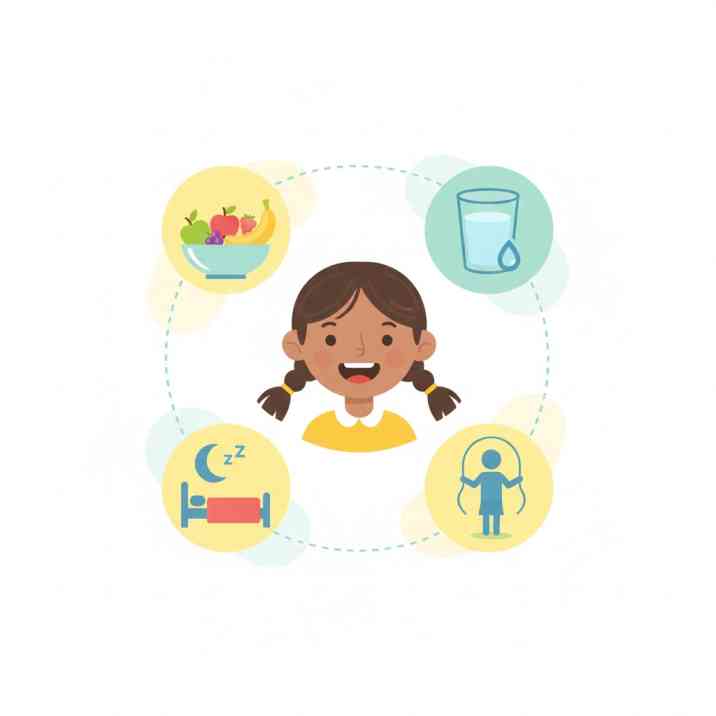
Role of Healthy Habits in Physical Development
A balanced diet, regular exercise, consistent sleep routines, and reasonable screen time all work together to help children grow healthy and stay active well into later life.

Emotional & Social Development in Children
Emotional wellbeing and social interaction help children build confidence, communication skills, and healthy relationships, which matters just as much for long-term development as height and weight ever will.
Well-Child Visits by Age: What Gets Checked and When
This is the part most growth-related pages skip entirely, so here it is, laid out simply. A well-child visit in Hisar and Hansi usually follows a fairly standard rhythm, and knowing it in advance helps parents feel less lost walking in. This kind of scheduled, age-by-age approach is really the backbone of proper child growth and development monitoring in Hisar and Hansi, rather than a single vague checkup once a year.
Birth to 6 Months
Visits happen roughly monthly. Weight and length are checked against standard references, feeding is discussed, and early reflexes and responses are observed. This is also when the first vaccines line up closely with growth checks.
6 to 12 Months
Visits usually happen every two months. This is a key window for a child development milestones checkup, covering sitting, crawling, and early babbling, alongside continued height and weight tracking. Most parents find this particular child development milestones checkup Hisar stage reassuring, since so much visible progress happens in just a few months.
1 to 3 Years
Visits typically shift to every few months. Walking, early words, and simple problem-solving get checked here, and this is often when a height and weight tracking for children Hisar pattern starts to show whether a child is following their own natural curve or falling off it.
3 to 6 Years
Annual visits become standard. A child BMI checkup Hisar usually starts around this stage, alongside speech clarity, coordination, and readiness for structured learning environments like school. This is also the age when a child BMI checkup Hisar visit tends to catch early nutrition-related concerns before they become harder habits to change.
6 Years and Beyond
Annual checkups continue, tracking growth against both the WHO growth chart pediatrician Hisar references and the IAP growth chart India Hisar standards used specifically for Indian children, since growth patterns can vary somewhat by population.


