
How Does PCOS Affect Fertility and Pregnancy?
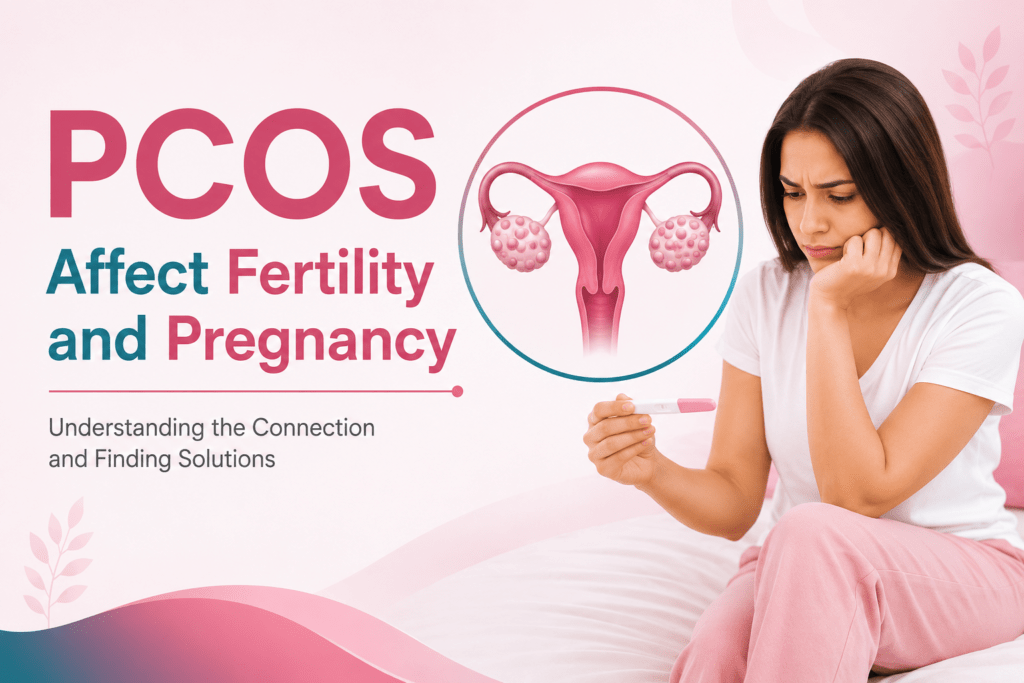
Polycystic Ovary Syndrome (PCOS) is one of the most common hormonal conditions affecting women during their reproductive years. It can influence menstrual cycles, ovulation, hormone levels and metabolic health. For some women, these changes can make it more difficult to conceive.
However, having PCOS does not mean that pregnancy is impossible. Many women with PCOS become pregnant naturally, while others may need medical support to regulate ovulation or improve their chances of conception. With timely evaluation, appropriate treatment and proper pregnancy care, women with PCOS can often achieve a healthy pregnancy.
How Does PCOS Affect Fertility and Pregnancy?
PCOS can affect fertility mainly because it may cause irregular or absent ovulation. When ovulation does not occur regularly, predicting the fertile window and conceiving naturally can become more difficult. PCOS may also be associated with insulin resistance and other metabolic changes. During pregnancy, some women with PCOS may have a higher risk of complications and may require closer monitoring. With appropriate preconception care and treatment, pregnancy is often possible.
What Is PCOS?
Polycystic Ovary Syndrome, commonly called PCOS, is a hormonal and metabolic condition that can affect the way the ovaries function.
Women with PCOS may experience:
- Irregular or infrequent periods
- Irregular or absent ovulation
- Increased androgen levels
- Acne or oily skin
- Excess facial or body hair
- Difficulty becoming pregnant
- Changes associated with insulin resistance
Not every woman experiences the same symptoms. Some women may have significant menstrual irregularities, while others may have relatively mild symptoms.
How Does PCOS Affect Fertility?
1. Irregular or Absent Ovulation
Ovulation is the release of a mature egg from the ovary. Regular ovulation provides repeated opportunities for conception.
In PCOS, hormonal changes can interfere with the development and release of an egg. As a result, some women may ovulate less frequently or may not ovulate in some menstrual cycles.
This can lead to:
- Long or irregular menstrual cycles
- Fewer ovulatory cycles
- Difficulty identifying fertile days
- Reduced opportunities for natural conception
For women trying to conceive, an evaluation by a gynaecologist or fertility specialist can help determine whether ovulation is occurring regularly.
2. Hormonal Changes
PCOS can involve increased androgen levels and changes in reproductive hormone signalling. These changes may affect follicle development and the normal process of ovulation.
When ovulation is disrupted, conception may take longer even when there are no other obvious fertility problems.
3. Insulin Resistance
Some women with PCOS have insulin resistance, meaning the body’s cells do not respond effectively to insulin.
Insulin resistance can be associated with metabolic changes and may influence reproductive hormone activity. For this reason, assessing overall metabolic health can be an important part of PCOS fertility care.
4. Difficulty Predicting the Fertile Window
Women with regular cycles can often estimate their fertile period more easily. PCOS can make menstrual cycles unpredictable, which may make it difficult to know when ovulation is taking place.
A doctor may recommend ovulation tracking, blood tests, ultrasound monitoring or other fertility assessments depending on the individual situation.
Can PCOS Cause Infertility?
PCOS can contribute to infertility, particularly when it causes irregular or absent ovulation. However, PCOS is not the same as permanent infertility.
Many women with PCOS conceive naturally. Others may require treatment to help induce ovulation or may benefit from fertility treatments such as IUI or IVF.
The appropriate treatment depends on several factors, including:
- Age
- Duration of trying to conceive
- Ovulation pattern
- Ovarian function
- Fallopian tube health
- Sperm health of the male partner
- Other medical or fertility conditions
A complete fertility evaluation is therefore important before deciding on a particular treatment.
Can You Get Pregnant Naturally With PCOS?
Yes. Women with PCOS can become pregnant naturally.
Some women with PCOS continue to ovulate, although their cycles may be irregular. Others may need treatment to support or induce ovulation.
Maintaining a healthy lifestyle, addressing metabolic concerns and receiving appropriate medical care can support fertility. However, lifestyle changes alone are not always enough, particularly when ovulation is significantly affected.
If you have PCOS and are trying to conceive, a gynaecologist or fertility specialist can help identify whether ovulation is occurring and whether additional fertility factors need to be evaluated.
How Is PCOS-Related Infertility Treated?
Treatment is personalized according to the woman’s health, fertility goals and other factors affecting conception.
Lifestyle and Preconception Care
Healthy lifestyle habits can support reproductive and metabolic health. Depending on individual needs, this may include:
- Eating a balanced and nutritious diet
- Regular physical activity
- Maintaining a healthy weight where appropriate
- Getting adequate sleep
- Managing blood sugar and metabolic risk factors
- Avoiding smoking
- Limiting alcohol
Lifestyle management should be individualized rather than based on a single approach for every woman with PCOS.
Ovulation Induction
If irregular or absent ovulation is the main cause of difficulty conceiving, medication may be recommended to help induce ovulation.
Letrozole is commonly recommended as the first-line medication for ovulation induction in women with PCOS-related anovulatory infertility when there are no other infertility factors.
Treatment should always be prescribed and monitored by a qualified doctor.
IUI
Intrauterine insemination, or IUI, may be considered in selected situations. During IUI, prepared sperm is placed directly into the uterus around the time of ovulation.
Whether IUI is appropriate depends on factors such as ovulation, sperm health, age and other fertility considerations.
IVF Treatment
In vitro fertilization (IVF) may be considered when ovulation treatments or other fertility approaches are unsuccessful, or when additional infertility factors are present.
During IVF, eggs are collected from the ovaries and fertilized with sperm in a laboratory. An embryo is then transferred into the uterus.
PCOS does not automatically mean that IVF is required. A fertility specialist can recommend IVF when it is medically appropriate.
How Does PCOS Affect Pregnancy?
PCOS can affect more than conception. Some women with PCOS may have a higher risk of certain pregnancy complications.
Depending on individual health and risk factors, doctors may pay closer attention to:
- Blood pressure
- Blood glucose levels
- Weight and metabolic health
- Fetal growth
- Overall pregnancy development
This does not mean that every pregnancy with PCOS will be complicated. Many women with PCOS have healthy pregnancies with appropriate medical supervision.
Once pregnancy occurs, regular antenatal care with an experienced obstetrician or gynaecologist becomes important.
Does PCOS Increase the Risk of Gestational Diabetes?
Women with PCOS may have metabolic risk factors such as insulin resistance, which can be associated with an increased risk of gestational diabetes.
Your doctor may recommend appropriate blood glucose testing during pregnancy based on your individual risk profile.
Maintaining healthy nutrition, staying physically active when medically appropriate and following your doctor’s recommendations can help support overall pregnancy health.
Why Is Preconception Care Important for Women With PCOS?
Planning a pregnancy when you have PCOS provides an opportunity to address potential health concerns before conception.
During a preconception consultation, your doctor may review:
- Menstrual and ovulation history
- Current medications
- Blood pressure
- Blood glucose and metabolic health
- Folic acid supplementation
- Existing medical conditions
- Previous pregnancy history
- Other fertility factors
Early preparation can help identify potential concerns and support a healthier pregnancy journey.
When Should You See a Gynaecologist or Fertility Specialist?
You may benefit from medical evaluation if:
- Your periods are very irregular or absent
- You suspect that you are not ovulating
- You have been trying to conceive without success
- You have experienced previous pregnancy loss
- You have other known fertility concerns
- You are planning pregnancy and have significant PCOS symptoms
Women with very irregular or absent periods may not need to wait a full year before seeking fertility advice. A gynaecologist or fertility specialist can determine whether an earlier evaluation is appropriate.
Does Every Woman With PCOS Need IVF?
No.
IVF is not automatically required for women with PCOS. Depending on the cause of infertility, many women may conceive naturally or with treatments designed to restore or induce ovulation.
IVF may become an option when other treatments are unsuccessful or when additional fertility factors make IVF more appropriate.
The goal of fertility treatment is to choose the least invasive and most effective approach based on the individual couple’s circumstances.
Can Women With PCOS Have a Healthy Pregnancy?
Yes. PCOS does not prevent women from having a healthy pregnancy.
Because PCOS can be associated with certain metabolic and pregnancy-related risks, appropriate antenatal monitoring is important. Regular consultations with an obstetrician, gynaecologist or maternity care team can help monitor the mother’s health and the baby’s development.
Choosing an experienced maternity hospital can also provide access to antenatal care, obstetric support and pregnancy monitoring when required.
PCOS Does Not Mean You Cannot Become a Mother
A PCOS diagnosis can be concerning when you are planning a family, but it does not mean that motherhood is out of reach.
The main fertility challenge in PCOS is often irregular or absent ovulation. Once the cause is identified, treatment can be tailored to help improve the chances of conception.
Some women may need only lifestyle and cycle management, while others may require ovulation induction, IUI or IVF.
The earlier fertility concerns are evaluated, the better your doctor can understand your individual situation and discuss appropriate options.
PCOS and Fertility Care at Sonakshi IVF Centre
If you have PCOS and are planning to conceive, seeking guidance from an experienced fertility specialist can help you understand your treatment options.
At Sonakshi IVF Center, fertility care is tailored according to individual reproductive health, ovulation patterns and other factors that may affect conception. Depending on the patient’s needs, fertility care may include evaluation, ovulation management, IUI and IVF treatment.
Women who become pregnant naturally or through fertility treatment may also require appropriate antenatal and maternity care throughout pregnancy.
If you are looking for an IVF centre in Haryana for PCOS-related fertility concerns, consulting a fertility specialist can help you understand whether natural conception, ovulation treatment, IUI or IVF may be suitable for you.
Fertility and Maternity Care Across Haryana
Sonakshi IVF Center serves patients seeking fertility and reproductive care from several locations across Haryana, including:
Whether you are looking for a gynaecologist, fertility specialist, IVF centre, or maternity care, getting an appropriate medical evaluation is an important first step.
Final Thoughts
PCOS can affect fertility mainly by causing irregular or absent ovulation. It may also be associated with metabolic concerns and certain pregnancy-related risks.
However, PCOS does not mean permanent infertility. Many women with PCOS conceive naturally, while others may benefit from ovulation treatment, IUI or IVF.
If you have PCOS and are planning a pregnancy, consider speaking with a qualified gynaecologist or fertility specialist. Early evaluation, personalized treatment and appropriate antenatal care can help you move forward with greater confidence.
Frequently Asked Questions
Can PCOS make it difficult to get pregnant?
Yes. PCOS can make conception more difficult mainly because irregular or absent ovulation reduces the number of opportunities for natural conception.
Can women with PCOS get pregnant naturally?
Yes. Many women with PCOS conceive naturally. Others may require treatment to support or induce ovulation.
Is PCOS the same as infertility?
No. PCOS is a hormonal and metabolic condition. It can contribute to infertility, particularly when ovulation is irregular or absent, but having PCOS does not automatically mean infertility.
What is the first-line fertility treatment for PCOS?
For women with PCOS-related anovulatory infertility and no other infertility factors, letrozole is commonly recommended as the first-line medication for ovulation induction. Treatment should be prescribed and monitored by a qualified fertility specialist.
Does PCOS affect pregnancy?
PCOS may be associated with an increased risk of certain pregnancy complications. Appropriate antenatal care and monitoring can help manage individual risks.
When should I see a gynaecologist for PCOS and fertility?
You can consult a gynaecologist if your periods are irregular or absent, you suspect that you are not ovulating, or you are having difficulty conceiving. Women with significant menstrual irregularities may benefit from earlier evaluation.
Can IVF help women with PCOS?
Yes. IVF can be an effective fertility treatment for selected women with PCOS, particularly when other treatments have not worked or when additional infertility factors are present.
Does every woman with PCOS need IVF?
No. Many women with PCOS can conceive naturally or with ovulation-induction treatment. IVF is recommended only when it is appropriate for the individual situation.
Can PCOS be cured permanently?
There is no single permanent cure for PCOS, but its symptoms and associated health risks can be effectively managed through lifestyle measures, medications and appropriate medical care.
Can I have a healthy pregnancy with PCOS?
Yes. Many women with PCOS have healthy pregnancies. Appropriate preconception planning, regular antenatal care and monitoring can help manage potential pregnancy risks.


