
Vitamins for Fertility: Which Ones Really Matter When You Are Trying to Conceive?
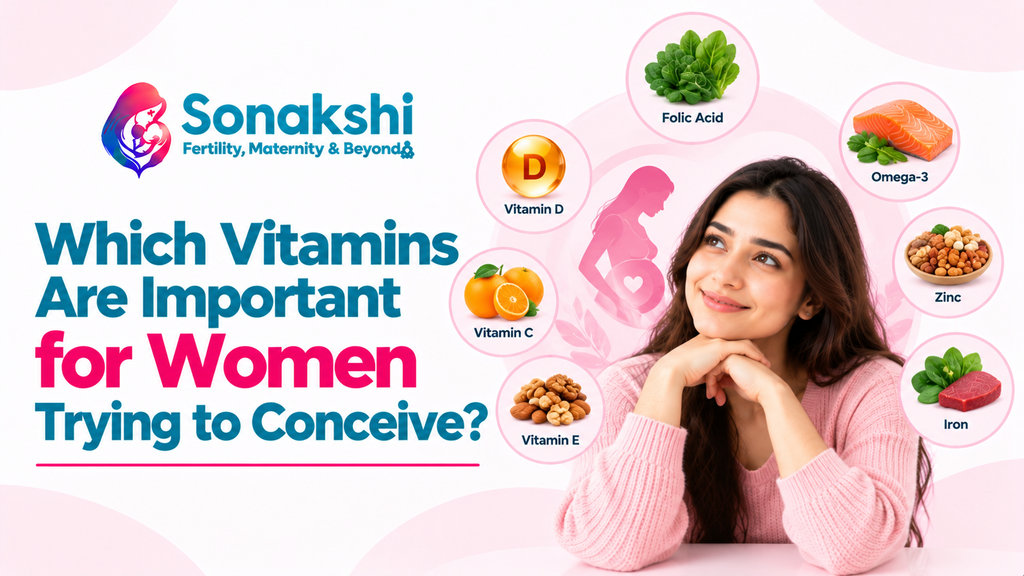
Ask ten women trying to conceive what they take every morning, and you will hear ten different answers. A pink tablet from the pharmacy. Something a cousin recommended. A powder from social media. So let’s slow down and sort it out. This guide explains vitamins for fertility in plain words: what each one does, how much doctors usually advise, and where your plate can help. It does not replace medical advice. It should just make your next doctor visit easier.
Here is the honest part first. No single vitamin guarantees pregnancy. What the right fertility vitamins can do is get the body ready, with steadier hormones, healthier eggs, and a safer start for a baby in the first weeks. That matters a lot for reproductive health, and it matters for men too.
Folic Acid: The One Vitamin Nobody Should Skip
Folic acid is the synthetic form of folate, a B vitamin. Doctors around the world advise 400 micrograms a day for women planning a pregnancy. You start at least a month before trying and continue through the first twelve weeks. Why so early? A baby’s neural tube, which becomes the brain and spine, closes in the first few weeks, often before a woman knows she is pregnant. Enough of it lowers the risk of neural tube defects. Some women, such as those who had an affected pregnancy before, need a much higher dose, but only a doctor should decide that.
Of all the vitamins for fertility, this one has the strongest proof. Food helps too: spinach, lentils, beans, oranges and fortified cereals.
Vitamin D and Your Hormones
Many Indian women have low vitamin D, even in sunny states, because of indoor jobs, covered clothing, and city pollution. This vitamin supports hormone balance and the lining of the womb. Some studies link low levels with poorer results in fertility treatment, though research is still growing, so no big promises here.
Among the fertility vitamins doctors check first, this is often the quiet gap. A simple blood test shows your level, and your doctor can pick a dose. That beats guessing. Fifteen to twenty minutes of morning sun, eggs, and fortified milk add a little.
B12 and B6: Small Names, Big Jobs
Vitamin B12 helps cells divide, and red blood cells form. Vegetarians often run low, so it is worth testing. Vitamin B6 supports hormones and may ease nausea later in pregnancy. B vitamins work as a team with folic acid, which is why a good prenatal tablet usually carries them together. Milk, curd, paneer, eggs, and fish are common sources. These are some of the most practical vitamins for fertility because deficiency is common and easy to fix.
Vitamin C and E: Guarding the Egg
Eggs and sperm can be damaged by something called oxidative stress. Think of it like rust on a cell. Vitamins C and E are antioxidants, meaning they help fight that rust. Vitamin C also helps your body absorb iron. Amla, guava, lemons, almonds, and sunflower seeds are easy sources, and food first is the safest rule. Studies on high-dose antioxidant pills give mixed results, so more is not always better. Good nutrition supports reproductive health in both partners, but it works slowly. These vitamins for fertility are not a quick fix.
A Warning About Vitamin A
Even the best vitamins for fertility can backfire in the wrong dose. Too much ready-made vitamin A, called retinol, can harm an early pregnancy. Read labels and avoid extra-high-dose tablets. Beta-carotene from carrots and sweet potato is the safe form.
Not Vitamins, Yet Worth Asking About
Iron prevents anaemia. Iodine supports a baby’s brain. Zinc supports egg and sperm health. Omega-3 fats from fish or flaxseed are often suggested as well. Ask your doctor before starting any of them.
A Simple Daily Plan for Vitamins for Fertility
Start with a doctor visit and ask for blood tests: haemoglobin, vitamin D, B12 and thyroid. Then take one prenatal multivitamin with folic acid every day. Do not double up on pills. Eat a colourful plate, sleep well, cut smoking and keep caffeine low. Vitamins for fertility work best alongside a healthy lifestyle. Many couples find the right fertility vitamins are simply the ones their reports show they lack. Small, steady habits protect reproductive health far better than a cupboard full of supplements.
When Vitamins Are Not Enough
If you are under 35 and have tried for a year without success, see a specialist. If you are over 35, go after six months. Go sooner with irregular periods, PCOS, endometriosis, or a known issue. Vitamins for fertility cannot open blocked tubes or fix a low sperm count. Saying that plainly saves months of worry.
Sonakshi Care, at sonakshicare.com, is a fertility centre where couples can discuss tests, nutrition, and treatment options in one place. A team there can look at your reports and guide you on fertility vitamins and reproductive health without pressure.
Many couples type best ivf center near me into a search bar and feel lost by the results. If you are looking for the best IVF center in Haryana, ask about success rates, doctor experience, lab quality, clear costs, and counselling. Choose the place that explains, not the one that rushes.
Frequently Asked Questions
1. Which are the most important vitamins for fertility in women?
Folic acid comes first because it protects a baby’s brain and spine. Vitamin D, B12, and B6 follow, with vitamins C and E in a supporting role. Together, these fertility vitamins help hormones, egg health, and early growth, but your own blood tests decide what you really need.
2. How much folic acid should I take, and when should I start?
Most guidelines suggest 400 micrograms daily, starting at least one month before trying and continuing for the first twelve weeks of pregnancy. A higher dose of folic acid is sometimes prescribed, for example after a past neural tube defect, and that must come from a doctor.
3. Can vitamins for fertility improve egg quality?
They can support the body that makes and carries eggs, but they cannot reverse age: good nutrition, sleep, and less smoking help overall reproductive health. Think of vitamins as support, not a cure, and be wary of any product promising guaranteed results.
4. Are fertility vitamins safe without a doctor’s advice?
A standard prenatal multivitamin is generally safe for most women, and many doctors recommend it. Trouble starts with very high doses, especially preformed vitamin A. Tell your doctor about every supplement, including herbal ones, because some can interact with medicines or thyroid conditions.
5. Do men need vitamins for fertility too?
Yes. Sperm health is influenced by zinc, folate, vitamin C, vitamin E, and a good diet. Men can ask a doctor about suitable fertility vitamins and a semen test. Fertility is a shared journey, and male reproductive health explains roughly a third of cases.
6. When should I see a doctor instead of relying on vitamins for fertility?
See one if you have tried for twelve months, or six if you are over 35. Go earlier with irregular periods, pelvic pain, past miscarriages, or known conditions. Vitamins for fertility help, but only tests can find the real cause and the right treatment.


